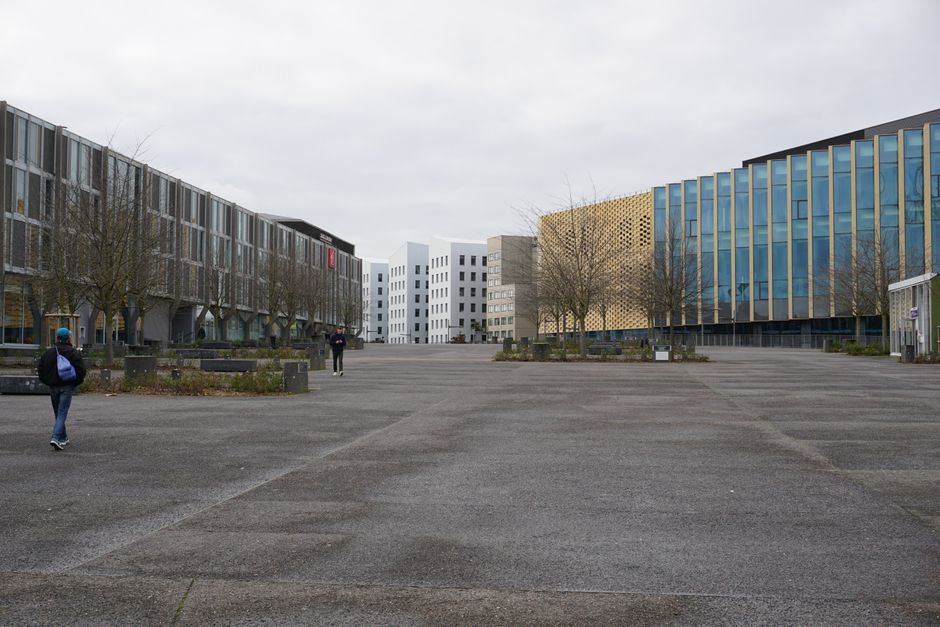
Brunel campus student flat cleaning in Uxbridge
Moving into, living in, or leaving a student flat near Brunel can get messy fast. Shared kitchens, late-night study snacks, muddy shoes after a damp Uxbridge walk, and the general chaos of student life all add up. That is where Brunel campus student flat cleaning in Uxbridge becomes less of a nice-to-have and more of a sanity saver. Whether you are trying to reset a flat after exams, get ready for housemates arriving, or make sure the place is presentable before check-out, a proper clean makes a real difference.
This guide breaks down what the service involves, how it works, what to prioritise in a student flat, and how to avoid the little mistakes that cause stress later. You will also find a practical checklist, a comparison table, and a few no-nonsense tips from the kind of situations students actually run into. Not glamorous, but useful. Very useful.
Table of Contents
- Why Brunel campus student flat cleaning in Uxbridge Matters
- How Brunel campus student flat cleaning in Uxbridge Works
- Key Benefits and Practical Advantages
- Who This Is For and When It Makes Sense
- Step-by-Step Guidance
- Expert Tips for Better Results
- Common Mistakes to Avoid
- Tools, Resources and Recommendations
- Law, Compliance, Standards, or Best Practice
- Options, Methods, or Comparison Table
- Case Study or Real-World Example
- Practical Checklist
- Conclusion
- Frequently Asked Questions
Why Brunel campus student flat cleaning in Uxbridge Matters
Student flats are different from standard domestic homes. They are used harder, cleaned less consistently, and usually lived in by people with different habits, schedules, and standards. One person thinks wiping the hob counts as cleaning. Another thinks it needs to shine like a showroom. Truth be told, both can be wrong if grime has been building for months.
In a Brunel campus setting, the pressure points are usually shared areas: the kitchen, bathroom, entrance space, hallways, and any communal furniture. These spots gather the most wear and tear because they get used by everyone and cared for by no one in particular. That is the honest version. A decent clean helps reset those spaces so they feel less temporary and more liveable.
There is also a practical side. If you are nearing the end of a tenancy or preparing a flat for the next occupants, a poor clean can leave behind grease, odours, limescale, dust, and carpet marks that are much harder to fix later. Cleaning early is easier than apologising late.
For many students, the challenge is not knowing that the flat needs cleaning. It is knowing how deep to go, what can be done quickly, and what really needs professional attention. That distinction matters, especially in a shared flat where jobs get missed because everyone assumes someone else has done them.
Expert summary: Student flat cleaning near Brunel works best when you treat the property as a shared system, not a set of separate bedrooms. Kitchens, bathrooms, floors, and touchpoints deserve the most attention, because that is where standards are won or lost.
How Brunel campus student flat cleaning in Uxbridge Works
A proper student flat clean is usually built around the condition of the property, the time available, and whether the goal is routine upkeep or a more intensive reset. Some flats need a light refresh after a busy term. Others need a full deep clean because the place has simply had a rough run of it. Let's face it, student life can be brilliantly full and a bit grim at the same time.
The process normally begins with a quick assessment. That may be formal or informal, but the idea is the same: identify the rooms, surfaces, appliances, and problem areas that need attention. In a small Brunel student flat, the kitchen often takes the longest, followed by bathroom sanitising, dust removal, floors, and any upholstery or carpet work if needed.
Then comes prioritisation. The best cleaners do not waste time polishing things that are already fine. They start where bacteria, grease, and build-up are most likely to occur, then move to visible finishing touches. That approach saves time and usually gives better results than a purely cosmetic clean.
If you want a deeper reset rather than a standard tidy-up, a deep cleaning service can make more sense than trying to do it all yourself between lectures. For end-of-tenancy situations, a more complete end of tenancy cleaning approach may be the better fit, especially if the flat has seen a full academic year of use.
Some students also combine flat cleaning with separate tasks such as carpet cleaning, oven cleaning, or window cleaning when the property needs a broader refresh. That is often the sensible route, because a kitchen can look clean but still smell faintly of old cooking grease. You know the smell. Unmistakable.
Key Benefits and Practical Advantages
The obvious benefit is cleanliness, but there is more to it than that. A well-cleaned student flat is easier to live in, easier to share, and much less likely to trigger arguments over whose turn it was to scrub the sink. Those small tensions matter more than people admit.
- Better hygiene: Kitchens and bathrooms are handled properly, which helps reduce build-up on high-contact surfaces.
- Less stress: A cleaned space feels calmer, especially during exams or moving week.
- Faster turnaround: If you are switching tenants or moving out, a structured clean saves time later.
- Improved first impressions: A fresh flat feels more welcoming for housemates, landlords, or accommodation staff.
- More efficient packing and moving: When rooms are clean, you notice what needs fixing, throwing away, or taking with you.
There is also a cost-control angle that students often miss. Dirt left for too long can become harder to remove, which can mean extra effort or extra expense later. In other words, cleaning now is often cheaper than deep-rescue cleaning after the fact.
If you are comparing options, a local cleaning company with experience in student properties is often a better fit than a generic one-size-fits-all approach. Student flats have a rhythm of their own, and the work needs to match that reality.
Who This Is For and When It Makes Sense
Not every student flat needs the same level of service. Some people just need a reset after a busy few weeks. Others are dealing with the aftermath of housemates moving out, shared living habits, or an inspection that is looming far too quickly. If that sounds familiar, you are in the right place.
This type of cleaning makes sense for:
- students moving into a new Brunel flat who want a clean start;
- shared houses where cleaning responsibilities have drifted a bit, as they do;
- students leaving at the end of term or end of tenancy;
- households with carpets, rugs, sofas, or upholstered chairs that have picked up marks;
- flats that need a one-off reset before visitors, inspections, or summer storage;
- students who simply do not have the time, kit, or patience to tackle a full clean properly.
Sometimes the trigger is simple: you open the kitchen cupboard, spot the dust on top of the fridge, and realise the flat needs more than a quick wipe. Fair enough. That is normal. If the job is beyond a normal weekly tidy, a one-off cleaning visit can be a very practical middle ground.
Students with furnished accommodation may also benefit from more targeted services like upholstery cleaning or sofa cleaning if soft furnishings have absorbed food smells, dust, or spills. A flat can be tidy and still feel tired. Fabric tends to tell the truth.
Step-by-Step Guidance
If you are planning a Brunel campus student flat clean, this is the simplest way to approach it without wasting energy. No drama. Just a clear order of operations.
- Decide the outcome first. Are you doing a weekly reset, an end-of-term clean, or a full deep clean? The goal changes the workload.
- Walk the flat room by room. Make a short note of obvious issues: marks, grease, bins, bathroom limescale, dust, and floors.
- Clear clutter before cleaning. You cannot clean around half a term's worth of books, bottles, chargers, and boxes very well.
- Start high and move down. Dust shelves, light fittings, and cupboard tops before cleaning surfaces and floors.
- Deal with the kitchen first. Remove food residue, clean the hob, sink, splashback, handles, fridge fronts, and any appliance exteriors.
- Move to bathrooms next. Sanitize toilet areas, sinks, taps, tiles, and shower screens. Check corners and seals.
- Vacuum or mop floors last. That way, dust and crumbs from earlier work are removed properly.
- Finish with the details. Bin areas, skirting boards, door handles, and switches are small, but they change the feel of the whole flat.
If the flat has stubborn grime or built-up marks, do not keep scrubbing the same spot with the wrong product. That is how surfaces get damaged and patience gets ruined. Use the right method once, not the wrong method five times.
For tougher jobs involving carpets or floors, services such as hard floor cleaning and rug cleaning can be especially helpful when traffic patterns are visible near entrances or desks.
Expert Tips for Better Results
Here are the small things that make a surprisingly big difference. They are not flashy, but they work.
1. Clean the hidden contact points. The handle of the fridge, the cupboard pull, the kettle switch, the bathroom tap, the light switch. These are the places people touch constantly without noticing.
2. Let products do the work. In kitchens and bathrooms, give cleaners a few minutes to break down grease or limescale before wiping. Rushing usually means doing the same job twice.
3. Do not ignore odours. A room can look fine and still smell stale. Open windows briefly where possible, empty bins properly, and check soft furnishings.
4. Be realistic about time. A full student flat clean can take longer than expected, especially when there are shared messes and surprise corner issues. The first hour often reveals the real story.
5. Keep cleaning zones separate. Use different cloths or mop heads for bathrooms and kitchens. It is basic, but it matters.
If the property has post-renovation dust or lingering construction mess, then a more specialised service such as after builders cleaning may be more appropriate than a standard tidy-up. Dust from works gets everywhere, somehow.
Also, if you are choosing between doing it yourself and hiring help, ask yourself one honest question: do you want the flat to look tidy, or do you want it properly reset? Those are not always the same thing.
Common Mistakes to Avoid
The biggest mistakes in student flat cleaning are usually about sequence, neglect, and overconfidence. And yes, overconfidence shows up a lot in shared living.
- Starting with bedrooms and leaving the kitchen too late. The kitchen is where the hardest grime lives, so it should not be an afterthought.
- Using too much product. More is not always better. In some cases it just leaves residue.
- Forgetting vertical surfaces. Cupboard fronts, tiles, and splashbacks collect grease faster than people expect.
- Ignoring soft furnishings. Fabric absorbs odour and dust, even when the room looks clean.
- Cleaning only what can be seen. Corners, behind appliances, and around skirting boards often tell a different story.
- Leaving the final inspection to the last minute. A rushed finish usually means missed spots.
One more thing: many students clean the bathroom mirror beautifully and then stop there. Nice mirror. Shame about the limescale around the tap. You really do need the full picture.
If you are dealing with a flat that also needs general domestic upkeep, a regular domestic cleaning arrangement may be a better long-term fit than repeated emergency clean-ups.
Tools, Resources and Recommendations
You do not need a mountain of equipment to clean a Brunel student flat well. But you do need the right basics. Cheap tools can cost you time, and badly chosen products can leave streaks, residue, or damaged finishes.
| Area | Useful approach | Why it helps |
|---|---|---|
| Kitchen | Degreasing spray, microfibre cloths, non-scratch sponge | Breaks down cooking residue without damaging surfaces |
| Bathroom | Limescale remover, disinfecting cleaner, grout brush | Targets hard water build-up and hygiene hotspots |
| Floors | Vacuum, mop, suitable floor cleaner | Removes dust, crumbs, and footwear grime properly |
| Soft furnishings | Fabric-safe treatment, vacuum attachment | Helps with odours, crumbs, and surface dust |
| Windows | Glass cleaner or professional window clean | Lets in more light and improves overall appearance |
For regular students, the most practical "resources" are probably a consistent weekly routine and a simple shared checklist. Fancy tools help, yes, but consistency helps more. A good cleaner, a decent cloth, and five minutes after dinner can stop a lot of mess becoming a bigger problem.
If you are in the middle of a move, you may also need house cleaning support for the wider property, or even cleaners for a broader refresh before key dates. The right scope depends on the flat, not the marketing phrase.
Law, Compliance, Standards, or Best Practice
Student flat cleaning is not usually a heavily regulated activity in itself, but there are still some sensible UK best-practice points to keep in mind. Cleaners working in occupied properties should follow safe handling practices for cleaning chemicals, use equipment appropriately, and avoid creating slip hazards or cross-contamination. That is just good professional conduct.
If you are hiring a cleaning provider, it is sensible to check how they approach insurance, safety, and complaint handling. A trustworthy company should be clear about expectations and careful with your property. You can review practical company information such as insurance and safety, their health and safety policy, and the terms and conditions before booking. That is not overthinking it. That is being sensible.
For students, the main compliance concern is often tenancy-related. Read the condition of your flat carefully, document its state before and after cleaning where needed, and keep communication clear with your landlord or accommodation provider. If there is a dispute, a calm record is far better than a vague memory from 11:47 pm on moving day.
There is also a useful sustainability angle. Reusable cloths, sensible product use, and proper waste sorting all help reduce unnecessary waste. If that matters to you, take a look at a provider's recycling and sustainability approach. Small choices add up.
Options, Methods, or Comparison Table
Not every flat needs the same type of clean. If you choose the wrong level of service, you either overspend or underclean. Neither is ideal.
| Option | Best for | What it covers | Typical downside |
|---|---|---|---|
| Regular upkeep | Weekly or fortnightly maintenance | Basic tidying, dusting, surface wipe-downs, floors | Won't handle heavy build-up |
| One-off clean | Sudden reset before guests, inspections, or term changes | Broader clean of main rooms and touchpoints | May still miss deep grime in neglected spots |
| Deep clean | Built-up dirt, shared student flats, seasonal refresh | Detailed attention to kitchens, bathrooms, floors, and hidden areas | Takes longer and costs more than a light clean |
| End-of-tenancy clean | Moving out or handing back the property | Thorough property-wide clean focused on return condition | Needs careful planning and may require extras |
| Targeted add-ons | Specific issues like carpets, ovens, or upholstery | Specialist treatment for selected items | Only solves the chosen problem, not the whole flat |
A useful rule of thumb: if the flat smells, feels sticky, or has visible build-up in shared areas, do not settle for a light clean. If the place is basically fine but needs a reset, a one-off clean may be enough. If you are unsure, that usually means the problem is bigger than you first thought. Happens all the time.
Case Study or Real-World Example
Here is a realistic student scenario. A shared flat near Brunel has three housemates, a busy term, and a kitchen that has slowly slipped from "lived in" to "why is the hob like that?". The bedrooms are mostly fine, but the shared areas are doing the heavy lifting for everyone's mess.
One student books a clean before the end of term because the landlord's inspection is due and everyone has disappeared into revision mode. The clean focuses on the kitchen first: grease from cupboards, crumbs in drawer runners, bin area residue, and the oven front. Bathrooms come next, then floors, then a detail pass on switches and handles. The result is not magical, just satisfying. The room smells fresher, the light feels better, and the inspection stress drops a notch.
The key lesson? They did not try to clean everything equally. They cleaned what mattered most. That is often the difference between an exhausting afternoon and a proper result.
In another common case, a student is moving out of furnished accommodation and notices the sofa has collected a lot of dust and a few stains from takeaways and everyday life. Rather than replacing the furniture, they combine the main clean with sofa cleaning and a quick pass on the carpets. The flat looks and feels more like a home again, even if the lease is ending. Slightly sentimental, maybe, but true.
Practical Checklist
Use this checklist before handover, before an inspection, or before a new term starts. It is simple, but it catches a lot.
- Kitchen surfaces wiped and degreased
- Hob, oven front, and extractor area checked
- Sink, taps, and splashback cleaned
- Bins emptied and bin area sanitised
- Fridge shelves and handles wiped
- Bathroom sink, toilet, shower, and tiles cleaned
- Mirrors streak-free
- Floors vacuumed and/or mopped
- Skirting boards and corners checked
- Door handles and switches wiped
- Soft furnishings vacuumed
- Windows and sills cleaned where needed
- Laundry and clutter removed from shared spaces
- Any stains or damage documented separately
If you are short on time, start with the kitchen and bathroom, then move to floors. That order gives the biggest visual and hygiene payoff fastest. Small win, but a real one.
Conclusion
Brunel campus student flat cleaning in Uxbridge is really about making shared living feel manageable again. Sometimes that means a quick reset before friends arrive. Sometimes it means a deep clean before moving out. And sometimes it just means getting the place back to a standard where you can breathe a bit easier when you walk in the door.
The smartest approach is to match the clean to the actual condition of the flat, focus on kitchens and bathrooms first, and use specialist help where it genuinely saves time or improves the result. That way you get a cleaner flat, less stress, and fewer awkward conversations with housemates later. Always worth it, if you ask me.
Get a free quote today and see how much you can save.
Frequently Asked Questions
What does Brunel campus student flat cleaning in Uxbridge usually include?
It usually covers the main shared areas first: kitchen, bathroom, floors, touchpoints, and visible surfaces. Depending on the condition of the flat, it may also include deeper work on appliances, soft furnishings, or windows. The exact scope depends on whether you need a regular clean, a one-off reset, or an end-of-tenancy clean.
Is student flat cleaning different from regular domestic cleaning?
Yes. Student flats are often shared, used more intensively, and cleaned less consistently. That means the kitchen and bathroom usually need more attention, and there is often more clutter to work around. A good clean reflects how students actually live, not how a magazine says they should.
How far in advance should I book a clean before moving out?
As early as you reasonably can. Moving week gets busy quickly, and the best time slots disappear first. Booking ahead also gives you time to check the flat, handle any damage, and avoid last-minute panic. Which, let's be honest, is never elegant.
Can I just do the clean myself with housemates?
Absolutely, if the flat is in fair condition and everyone is genuinely willing to help. The challenge is consistency. In shared flats, people often clean the bits they care about and forget the rest. A professional clean is often better when the job has become too big or too uneven.
What areas matter most in a student flat inspection?
Kitchens and bathrooms are usually the biggest concern because they show hygiene issues fast. Floors, skirting boards, bins, and visible appliance surfaces also matter. A flat can look fine from the doorway and still fail a close inspection if the details are missed.
Do I need carpet cleaning as well?
If the carpets have stains, traffic marks, or odours, then yes, carpet cleaning can be worthwhile. Student flats often have more wear near desks, beds, and entrances, so carpets can look older than they are. A targeted clean can make the whole flat feel fresher.
What is the difference between one-off cleaning and deep cleaning?
One-off cleaning is usually a broader reset, while deep cleaning goes further into build-up, edges, hidden areas, and problem spots. If your flat has not been cleaned properly for a while, deep cleaning is usually the better choice. If you just need a decent refresh, one-off cleaning may be enough.
Are soft furnishings worth cleaning in a student flat?
Very often, yes. Sofas, chairs, and rugs absorb dust, odour, and the occasional spill. They can make a flat feel tired even if the hard surfaces are spotless. Upholstery and sofa cleaning can make a bigger difference than people expect.
What should I check before hiring a cleaning company?
Look for clear service details, transparent pricing, sensible health and safety information, and fair terms. It also helps to understand how complaints are handled and what happens if something is missed. A reputable provider should not make those things awkward.
Can cleaning help with odours in a shared flat?
Yes, though it depends on the source. Empty bins, kitchen grease, damp fabrics, and neglected bathrooms are common culprits. Cleaning alone will not fix every smell, but it usually improves matters a lot when the source is addressed properly.
What if the flat also needs a wider clean beyond the student rooms?
If the whole property needs attention, services like house cleaning or domestic cleaning may be more suitable than a room-by-room approach. The right option depends on the actual layout and condition of the property. No need to force the wrong fix.
How do I avoid arguments about cleaning in a shared Brunel flat?
Keep it simple: agree the tasks, set a basic schedule, and focus on shared spaces first. A visible checklist works better than vague promises. In shared housing, clarity beats hope every single time.